History of Salsa
*This page is a work in progress, and will be updated often as my knowledge and understanding of Salsa music & dance changes and grows.
I’m open to being corrected always! Please feel free to reach out if I have said something incorrect, or if you’d like to share your experience, opinion, or knowledge. I’d love to collaborate and amplify the voices of people who grew up with salsa as a part of their culture & history. *
**TW slavery**
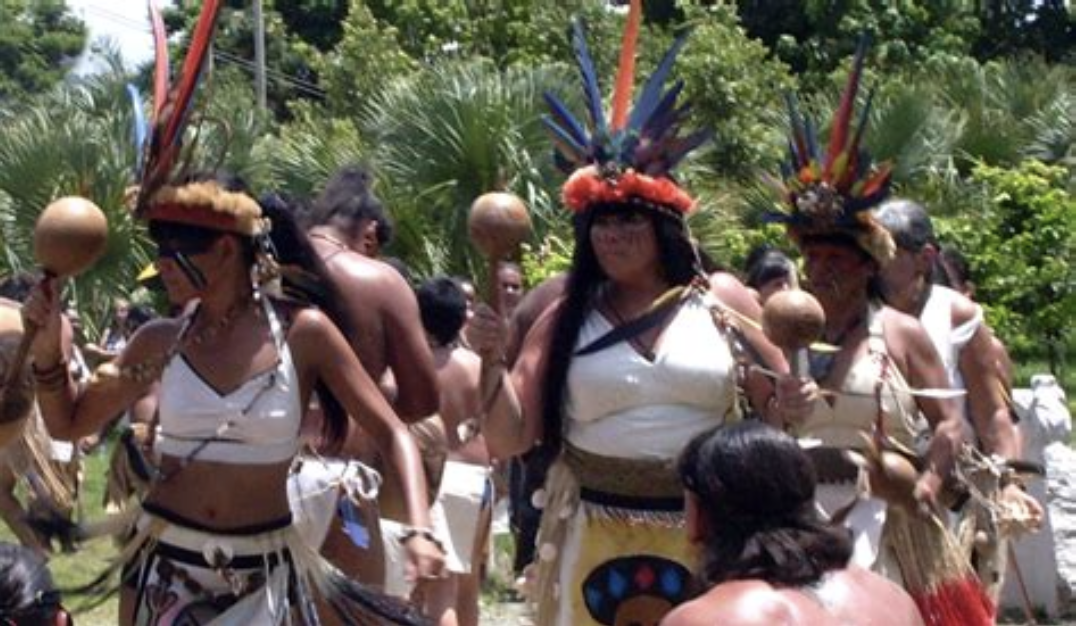
Based on my research, Salsa’s influence dates back to the 1500s, with the Taino people, the native people of the Caribbean islands. The Taino people introduced their simple song structure as well as instruments such as rattles (like maracas) and güíras (scrapers) that are still used today in salsa music.
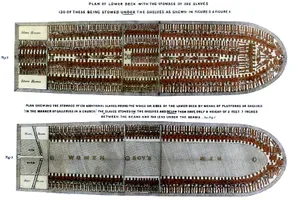
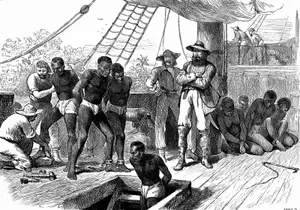
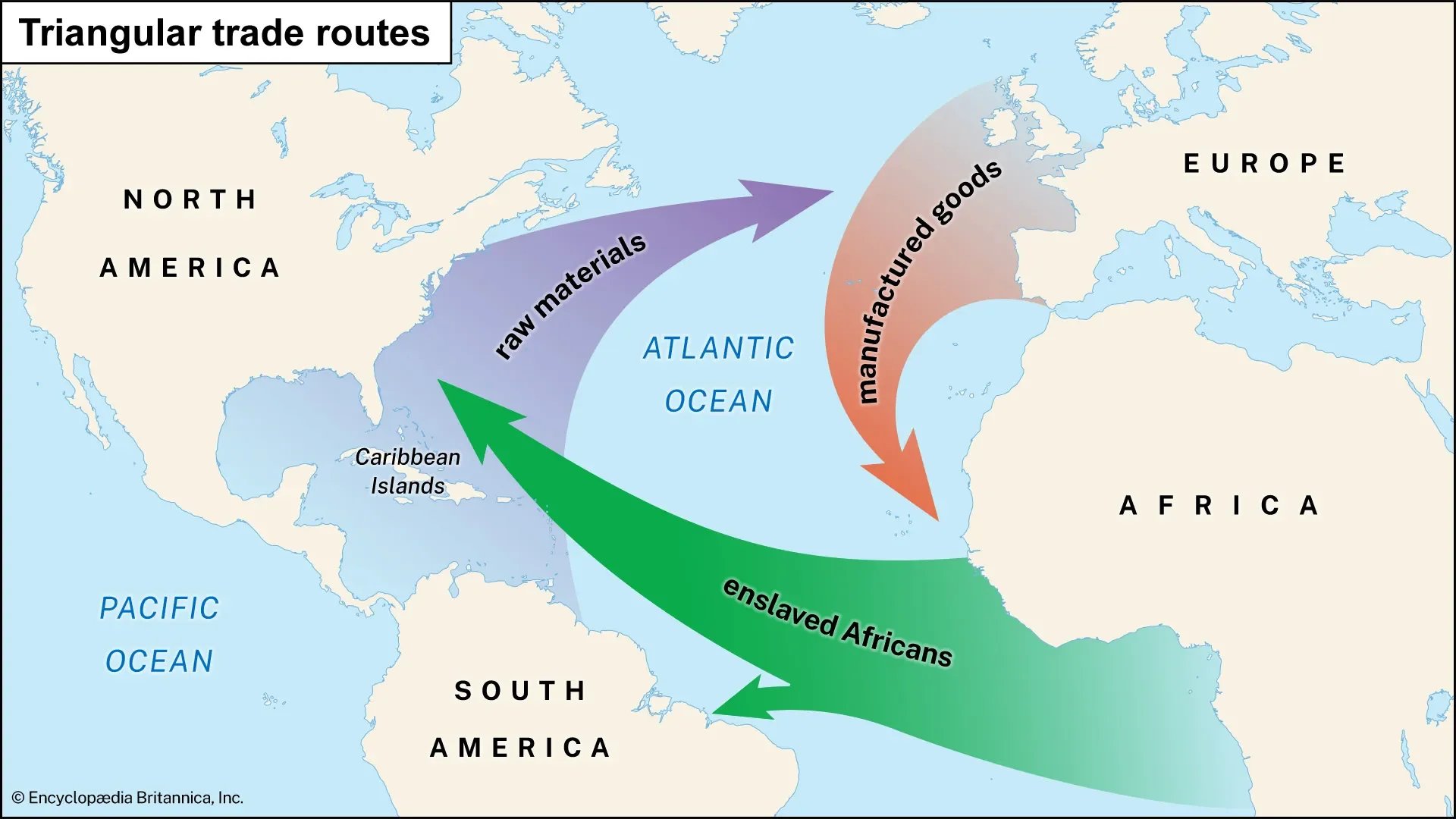
Afro-latin dances were born in colonized lands where African people were forcibly displaced and robbed of language and freedom. During the transatlantic slave trade(16th-19th centuries), spanish colonizers (booo) enslaved African people and forcibly took them to the Americas to work on plantations. They were forced to convert to Christianity but were able to preserve some of their heritage and culture through rhythm and movement as a way to survive. Some people used code words in order to pray to gods of their own choosing. Enslaved African people brought with them to the Americas African rhythms as well as call and response elements which greatly influenced many latin and afro-latino music. Many styles of afro-cuban music, including salsa, draws on rhythmic patterns from the Yoruba tribe who originated in parts of what is now Nigeria, Benin, Ghana, Togo and Cote d’Ivoire.
These rhythms blending with cuban music and the dance of danzón made Cuban Son, a style of afro-cuban music and dance. This is when the Clave starts to play a central and important part of afro-cuban music. The clave is the base of several types of music. It is a 5 stroke pattern making each bar have a sort of “rise and fall” to it since it isn’t even. I notice this in salsa music often, that each 8 count of music has a flow to it. There is son clave patterns and there is rumba clave patterns and either can be played 3:2 or 2:3 meaning number of strokes on either side of the bar. Salsa music is also often made up of the guiro (scraper), compana (cowbell), conga, bongos, piano, guitar, and brass instruments. With so many instruments being played at once, it can be difficult to “find the 1” or in other words, know when to step / start the basic.
In the early 1920s radio broadcasting came to cuba. This also brought American’s to Cuba who were trying to escape prohibition laws, and allowed for exposure of American’s to Cuban music as well as Cuban’s to American music.
Mambo plays a big part in the development of salsa. Mambo was originally a section of Cuban danzón. Cuban bandleader Perez Prado brought Mambo to Mexico in the late 1940s and to NYC in 1951.
In NYC in the late 1940s and into the 50s, the Palladium ended up being a place where white and Latin American people could come together, and dance. It was one of the first places that allowed for such cultural mixing, but it wasn’t easy getting to this point.
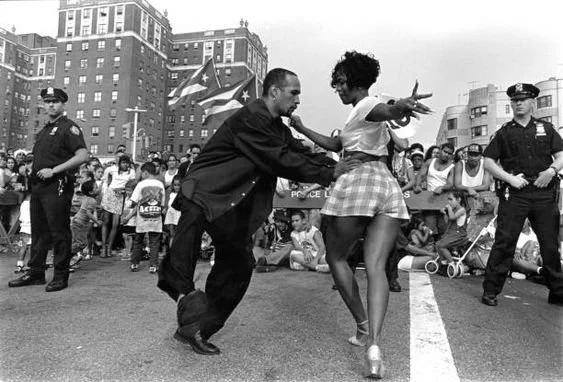
“In places like the carribean and latin america, african movement traditions blended with imposed european music systems and indigenous voices/ cultural practices created dances that carry resistance in their bodies. Migration and marginalization in the 20th century forced carribean migrants (especially puerto ricans and cubans) to move to NYC. When they did, they faced poverty, racism, housing discrimination, cultural erasure and more. Salsa music became a voice of nuyorican identity, Cuban identity, Black identity and a place for migrants to express through culture and joy.” - Jem Fusion Experience NYC
There are many influences to salsa dancing; Taino people, African people, Cubans, Puerto Ricans, Europeans, and more.
rumba, danzon, cuban son, mambo, chacha, salsa.
salsa
cuban/casino
salsa rueda
NY on 2
LA on 1
salsa caleña
puertorican salsa
sources:
https://sensualmovementusa.com/what-is-salsa-dance-and-where-did-it-originate/
salsavida.com
https://www.loc.gov/classroom-materials/immigration/puerto-rican-cuban/crossing-the-straits/
https://salsayo.com/blogs/cuban_music_che/?p=219
https://melamuzio.com/the-history-of-salsa-a-brief-history-for-dancers-everyone/
https://www.youtube.com/watch?v=sDKf0-iOHHc
https://www.youtube.com/watch?v=Z8kGAkvuwnA
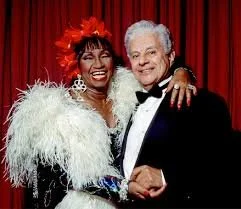
Celia and Tito
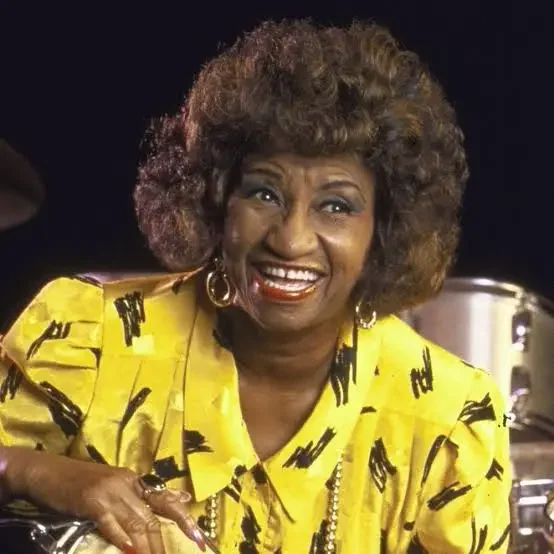
Celia Cruz
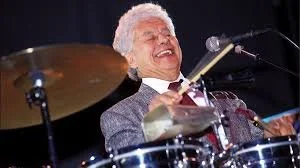
Tito Puente
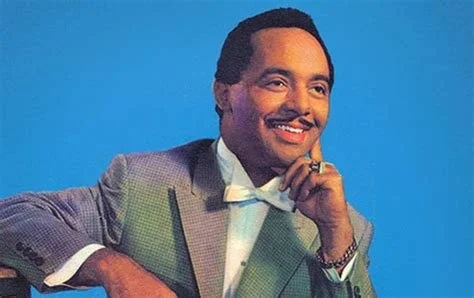
Perez Prado